July 23, 2026
Understanding how wind damage affects commercial roofing systems is crucial for building owners, architects, and property managers. Severe weather can lead to costly structural repairs, business interruptions, and serious safety hazards if minor issues are not quickly addressed. We know that protecting a commercial building starts with a robust, well-engineered roof that can withstand unpredictable weather. When storm clouds gather, working with skilled local commercial roofers is essential to safeguard your significant investment and ensure long-term structural sustainability.
Analyze Wind Behavior and Potential for Damage
Wind forces are a direct result of atmospheric pressure differences, where air moves rapidly from high-pressure zones to low-pressure areas. The impact of these dynamic forces on a commercial building depends heavily on factors such as wind speed, direction, and localized turbulence. As experienced local commercial roofers, we analyze how these complex wind flows interact with different architectural designs to prevent structural failure.
To design the most resilient commercial roofing systems, we must also look closely at both regional and global meteorological patterns. Buildings located in open plains or coastal areas often experience far more volatile wind conditions than those located further inland. By understanding these variations and utilizing standard tools like the Beaufort scale, we can accurately benchmark the wind load capacities required for your property.
Identify High-Risk Areas for Wind Damage
Certain geographic locations are naturally more prone to significant wind damage due to their environmental attributes and building layouts. Coastal regions and dense urban corridors frequently face the highest risks of severe wind uplift along roof perimeters. It is wise to consult local commercial roofers to evaluate how specific regional microclimates might affect your commercial facility. Recent studies have highlighted that even slight variations in regional topography can significantly elevate wind speeds, making precise geographical assessments crucial.
The timing and intensity of strong wind patterns also vary greatly between seasons, directly affecting long-term roof durability. For instance, the annual hurricane season poses a massive threat to properties across Florida, demanding constant vigilance and preparation. Factoring these seasonal variations into a comprehensive property management plan dramatically improves overall building safety and protection. Proactive management of these seasonal risks ensures that your commercial property remains resilient in the face of inevitable extreme weather events.
Evaluate Susceptible Commercial Roofing Systems
Flat roofing systems are highly popular for commercial properties, but their wide, flat surfaces provide very little aerodynamic resistance against wind uplift. High winds can easily create severe pressure drops across these flat planes, leading to rapid membrane detachment and edge failure. Our team of local commercial roofers frequently encounters flat roofs that require advanced fastening systems to survive high-wind events. Additionally, regular maintenance checks can help identify weak spots that may otherwise result in costly repairs after major wind events.
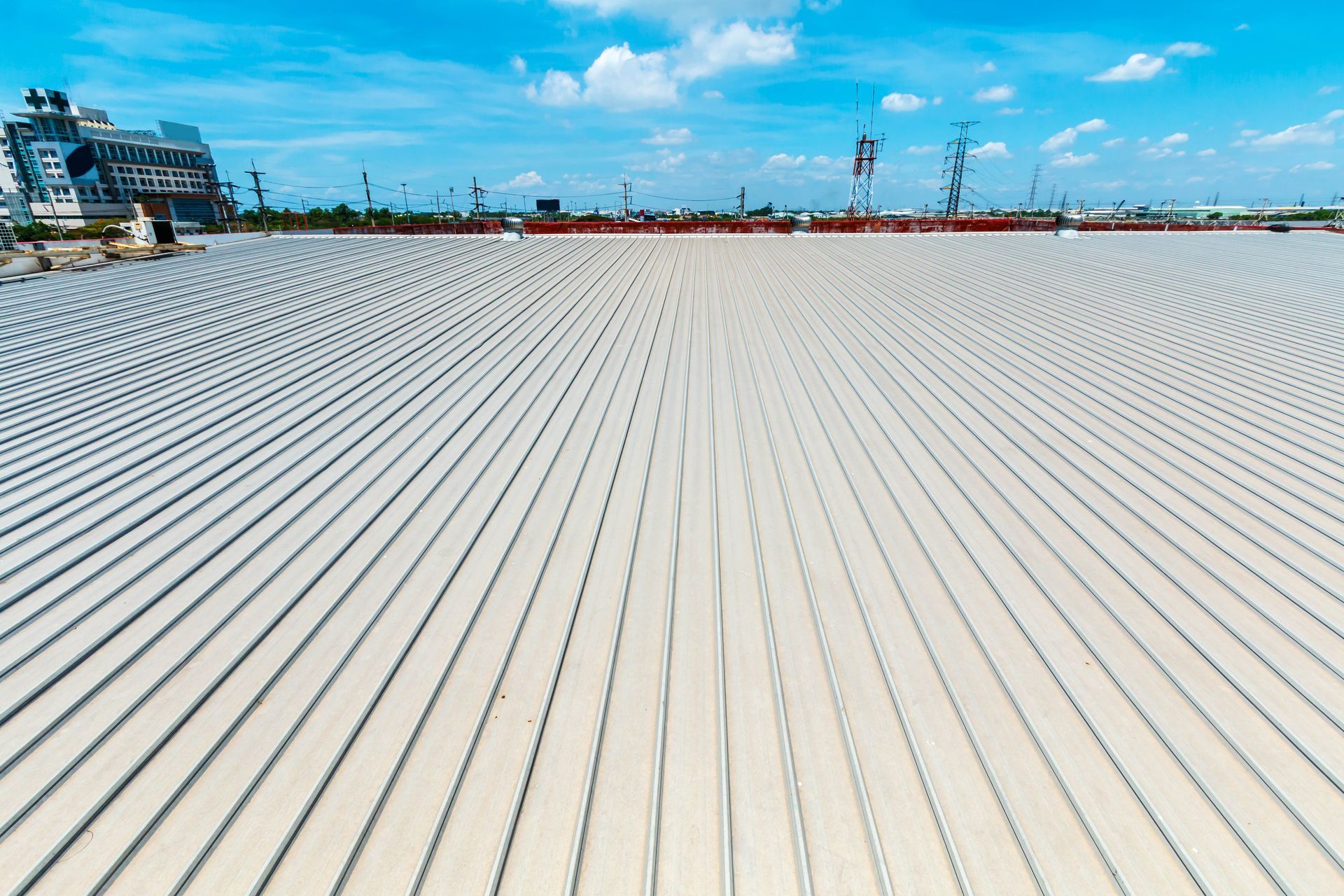
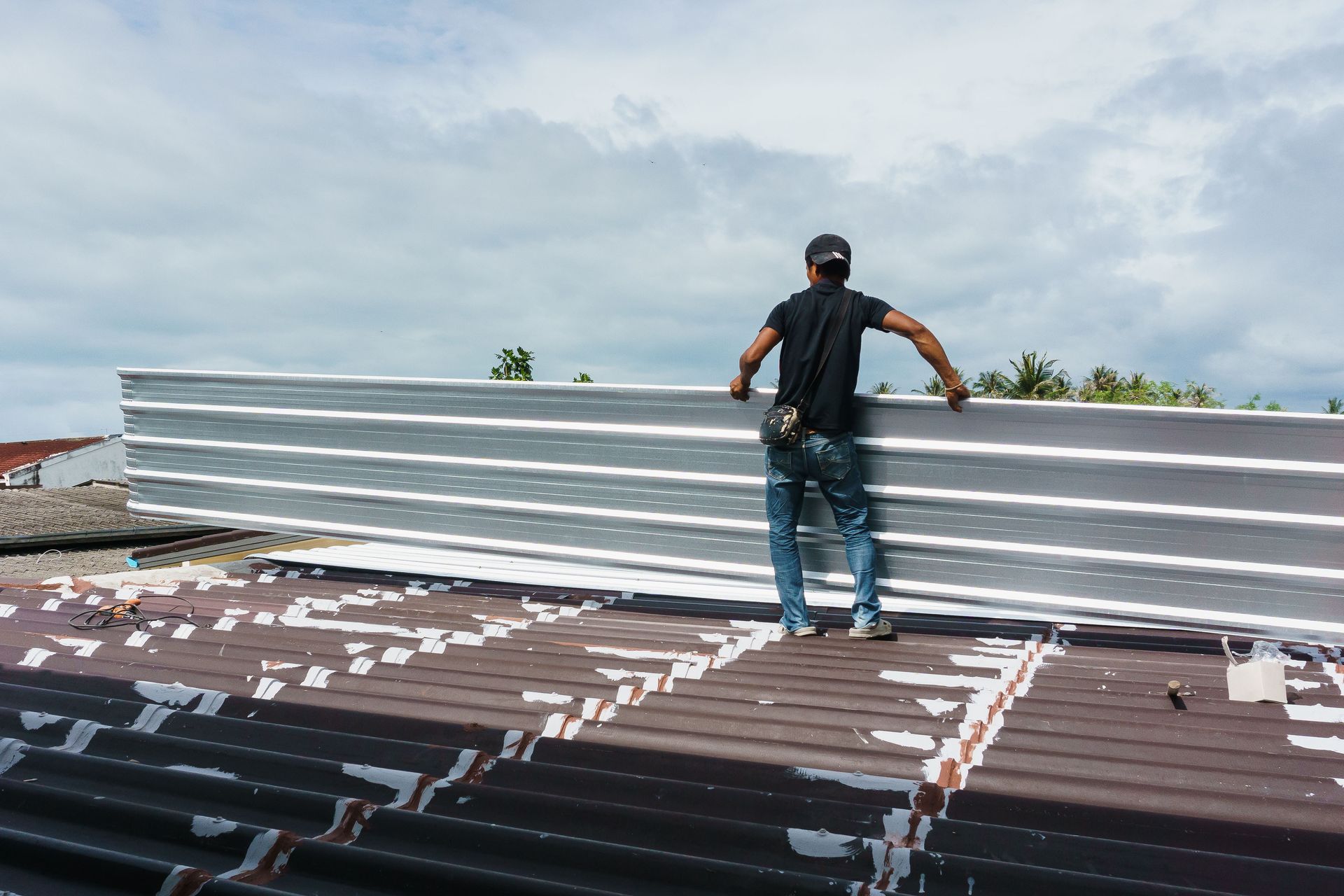
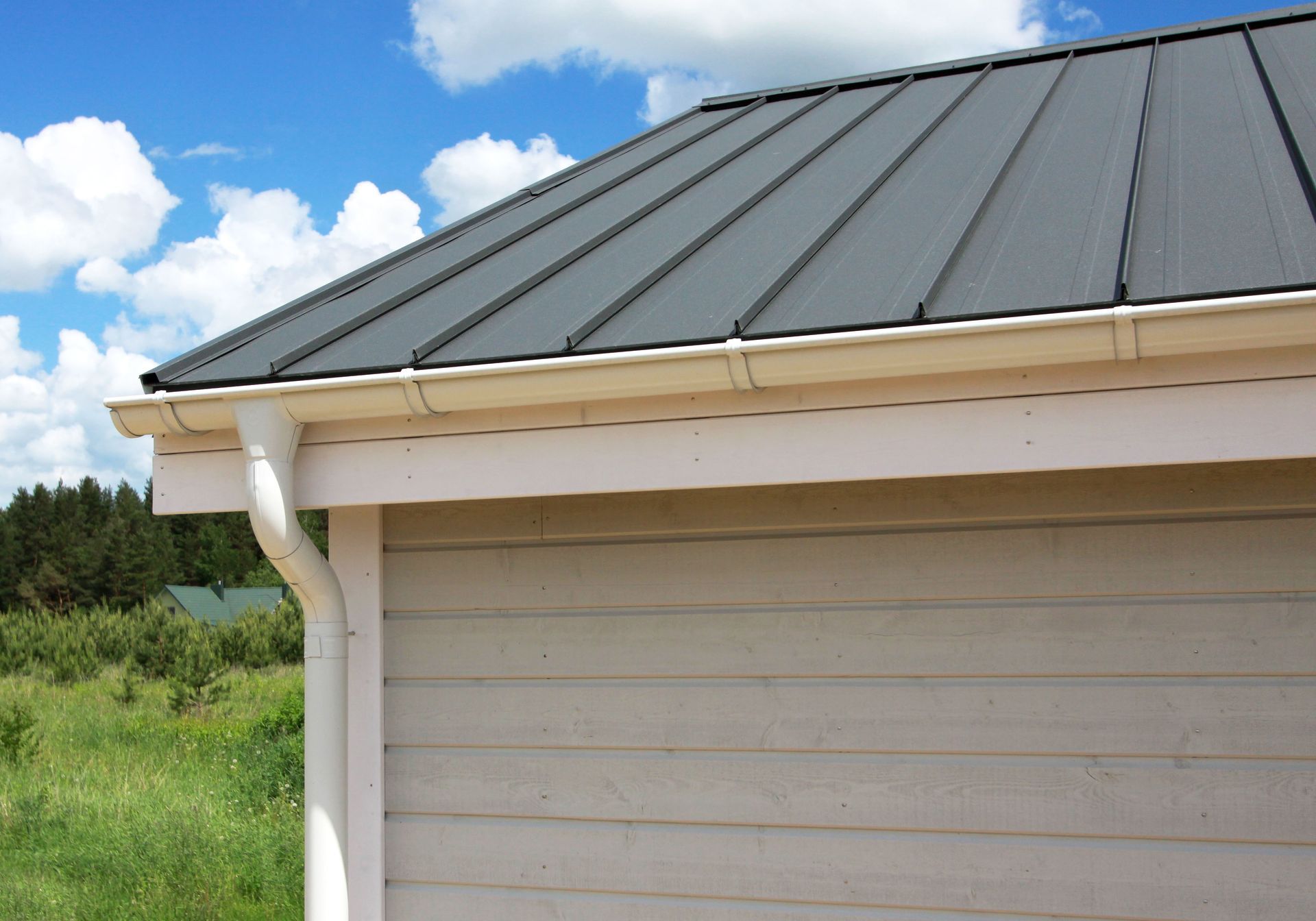
Sloped commercial systems deflect wind more naturally than flat structures, yet they are still susceptible to shingle and tile displacement. Metal roofs and single-ply membranes like TPO also require heavy-duty mechanical fasteners to prevent panels and sheets from peeling back during severe storms. Properly securing these diverse materials with top-grade adhesives and structural fasteners is essential for maintaining complete weather resistance. Ensuring that materials are secured according to manufacturer specifications is a vital step in preventing wind-induced failures.
Recognize Common Wind-Induced Damages on Commercial Roofs
Extreme winds can cause roofing materials to lift and separate, quickly compromising the entire building's external defense system. Once a small edge section lifts, subsequent wind gusts can easily penetrate beneath the surface and peel away massive sections of the roof. Knowledgeable local commercial roofers should inspect these vulnerable perimeter zones regularly to identify early signs of material lifting. Incorporating wind-resistant design elements can mitigate this risk by reducing potential lift points around the roof's edge.
Commercial roofs are also highly vulnerable to tearing and punctures caused by flying windborne debris during major storms. These punctures provide critical entry points for water infiltration, which rapidly saturates underlying insulation and promotes mold growth. Paying close attention to flashing details and reinforcing roof edges prevents these destructive breaches from causing widespread structural ruin. Utilizing impact-resistant materials can significantly reduce the likelihood of debris-related damage during storm events.
Conduct Assessments and Inspections for Wind Damage
Conducting comprehensive pre-storm roofing assessments helps us identify existing vulnerabilities before severe weather actually strikes your property. Finding and repairing these weak spots ahead of time dramatically reduces the likelihood of catastrophic failure during a hurricane. Relying on certified local commercial roofers guarantees that these detailed physical assessments are completed thoroughly and safely. Additionally, regular training sessions are conducted to ensure our team stays updated on the latest assessment techniques and technologies.
After a major wind event, performing a comprehensive damage inspection is absolutely vital to protect your structural assets. We utilize advanced drone technology and aerial imaging to safely capture high-resolution views of hard-to-reach roofing sections. Combining these visual reports with thermal imaging allows us to detect hidden moisture trapped deep within the roof insulation. This method not only increases accuracy but also significantly reduces the time needed to assess the damage.
Implement Mitigation Strategies to Reduce Wind Risks
Investing in a modern, wind-resistant roofing system is the single most effective way to prevent future storm damage. According to Roofing Contractor, almost 70% of commercial roofing contractors reported growth in their total sales volume in 2025, indicating an increased focus on resilience in commercial roofing. Hiring professional local commercial roofers ensures that your new system is installed in perfect compliance with the latest safety codes. Moreover, an upgraded system can enhance energy efficiency, leading to reduced operational costs over time.
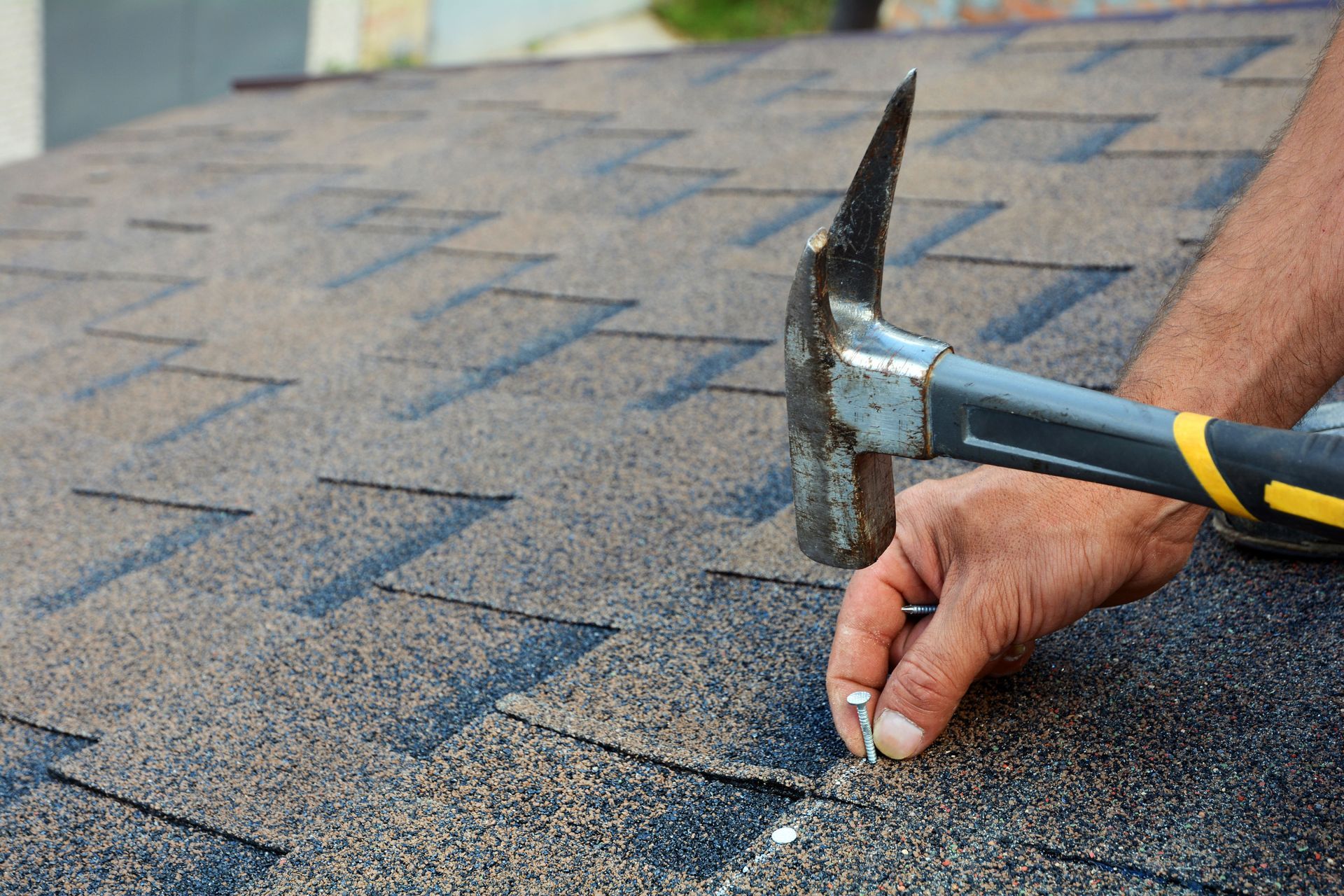
Reinforcing attachment points and applying high-performance protective membranes are also highly effective, proactive strategies to minimize wind lift. Consistent maintenance schedules are absolutely critical for catching minor wear, loose flashings, and clogged drains before the storm season begins. Developing a robust emergency preparedness and rapid response plan helps businesses minimize downtime after a natural disaster. Regularly updating your emergency response plan ensures readiness as new strategies and technologies emerge.
Execute Repairs and Restoration After Wind Events
Taking immediate action after a major storm is crucial to prevent further interior damage and costly water contamination. We respond rapidly to secure compromised areas with heavy-duty temporary covers and emergency structural patches. Partnering with professional local commercial roofers will help you navigate this stressful period with minimal disruption to your daily operations. Our commitment to quick response times helps restore normalcy faster, providing peace of mind in challenging situations.
Choosing whether to repair or completely replace a wind-damaged roof depends heavily on the age and overall condition of the system. We evaluate your system thoroughly to provide honest, cost-effective recommendations tailored to your structural needs and budget. Our skilled teams handle everything from minor repairs to complete commercial, residential, and specialty roofing installations. We prioritize sustainable materials and methods to support long-term environmental health while meeting client needs.
In conclusion, wind damage poses significant challenges to commercial roofing systems, demanding a comprehensive understanding and a highly proactive approach to maintenance. By employing effective mitigation strategies, conducting regular inspections, and leveraging advanced diagnostic technology, we can ensure the longevity of your roofing investments. From initial pre-storm assessments to final emergency restorations, having a dedicated partner makes all the difference in protecting your structural assets. At Biscayne Roofing and Waterproofing Systems, we are proud to serve Florida with elite commercial, residential, waterproofing, and specialty roofing services. We invite you to contact us today to schedule your free estimate and take the first step toward securing your property against wind damage.