August 25, 2026
When most business owners think about roofing projects, repairs come to mind first. A patched leak here, a resealed seam there — it feels manageable, budget-friendly, and low-commitment. But if you look at where the real value in commercial roofing actually lives, the picture changes dramatically. Full roof replacement, not incremental repair, is the service driving the industry and protecting the buildings that matter most to your business.
According to ServiceTitan, 94% of commercial roofing work consists of full roof replacements rather than isolated repairs. That statistic isn't a coincidence — it reflects what property owners eventually learn the hard way: repairs treat symptoms, while replacement solves the underlying problem. Understanding why replacement has become the dominant force in commercial roofing can help you make smarter decisions for your building, your budget, and your long-term peace of mind. That's where experienced commercial roofers come in, guiding property owners toward the solution that actually protects their investment rather than just delaying the next repair call.
Recognizing Why Replacement Outperforms Repeated Repairs
Repairs have their place, especially for isolated damage on a roof that's otherwise structurally sound. But when a commercial roof starts showing multiple problem areas — recurring leaks, deteriorating membranes, or widespread wear from UV exposure and storm damage — repair work becomes a losing game. Each patch addresses a single point of failure while the rest of the system continues aging beneath it.
This is precisely why full replacement dominates the commercial roofing industry. A single repair might buy a property owner a few months of relief, but it does nothing to address the roof's overall remaining lifespan. Skilled commercial roofers understand this distinction and can evaluate whether a roof has reached the point where continued repairs no longer make financial sense. In many cases, the cumulative cost of repeated repairs over several years exceeds what a full replacement would have cost upfront, all while the building remains exposed to greater risk of water intrusion, interior damage, and business disruption.
Replacement also resets the clock. Instead of managing a roof's decline in incremental stages, a new system gives property owners a fresh warranty, updated materials engineered for current climate demands, and predictable performance for years to come. That kind of certainty is difficult to replicate through repair work alone, which is one of the biggest reasons replacement has become the default recommendation among experienced commercial roofers.
Understanding the True Cost of Delaying a Roof Replacement
Delaying a necessary roof replacement rarely saves money in the long run. What starts as a manageable issue — a few soft spots, minor ponding water, or aging flashing — can escalate into structural deck damage, mold growth, or compromised insulation if left unaddressed. Once water finds its way past a failing membrane, the damage often extends well beyond the roofing system itself, affecting ceilings, inventory, equipment, and even the building's structural integrity.
Beyond the physical damage, there's an operational cost to consider. A roof that requires frequent emergency repairs creates unpredictable expenses and can disrupt business operations at the worst possible times. Tenants, customers, and employees all notice when a building isn't properly maintained, and that perception can affect everything from lease renewals to customer trust. Commercial roofers who specialize in evaluating a roof's true condition can help property owners understand exactly where their roof stands in its lifecycle, offering a clear-eyed assessment rather than a reactive fix.
Timing matters too. Scheduling a replacement proactively, before a roof fails completely, allows for better planning, more competitive material pricing, and reduced risk of emergency mobilization costs. Waiting until a roof is actively failing removes that flexibility and often forces decisions to be made under pressure rather than strategy.
Selecting the Right System for Your Building
Not all commercial roofs are built the same way, and replacement gives property owners the opportunity to choose a system that actually fits their building's needs rather than simply restoring what was there before. Flat roofs, for example, benefit from high-performance membrane systems engineered for proper drainage and long-term UV resistance, while buildings with architectural sloped elements require materials suited to that specific structure, such as metal or composite systems designed for durability in harsh weather.
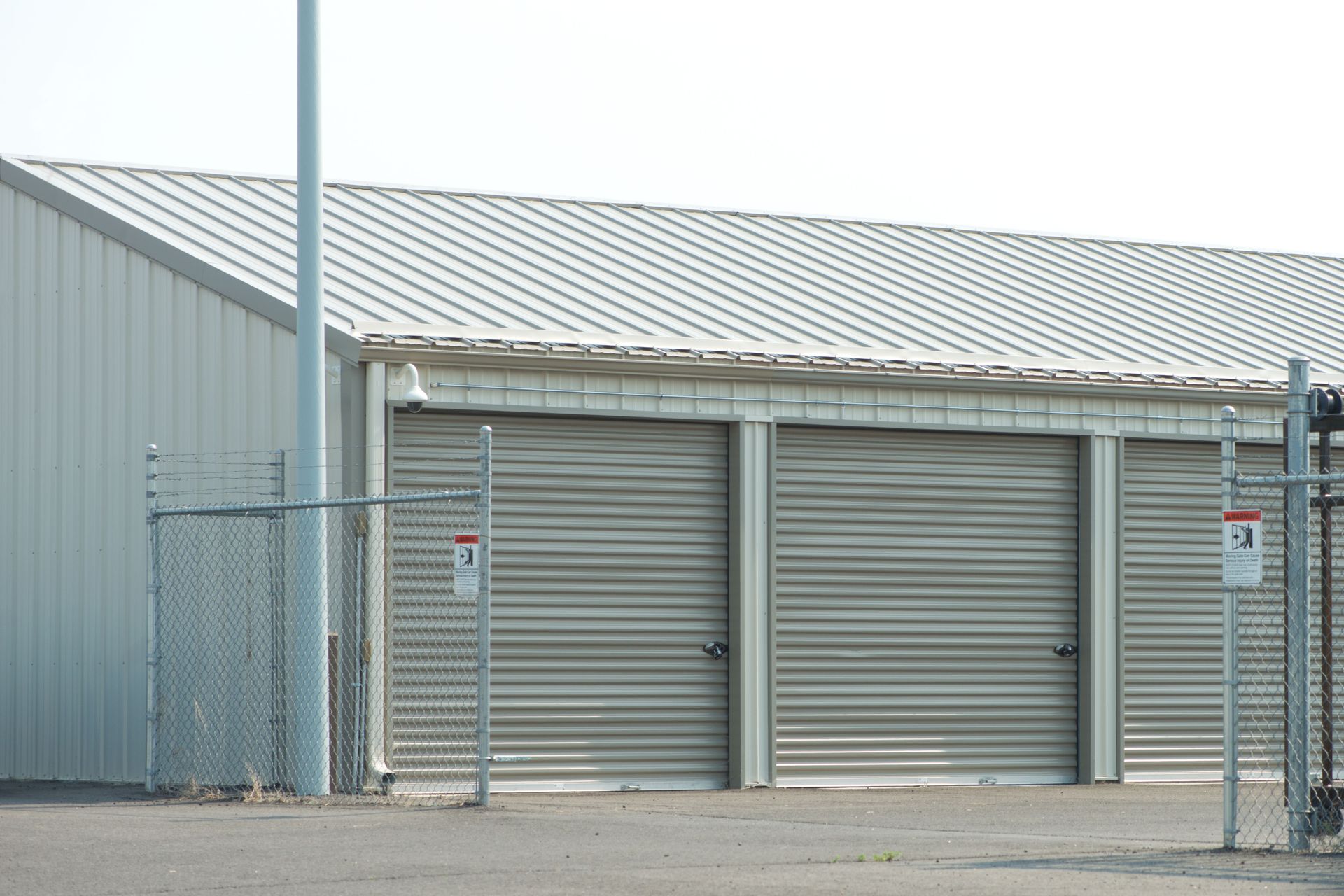
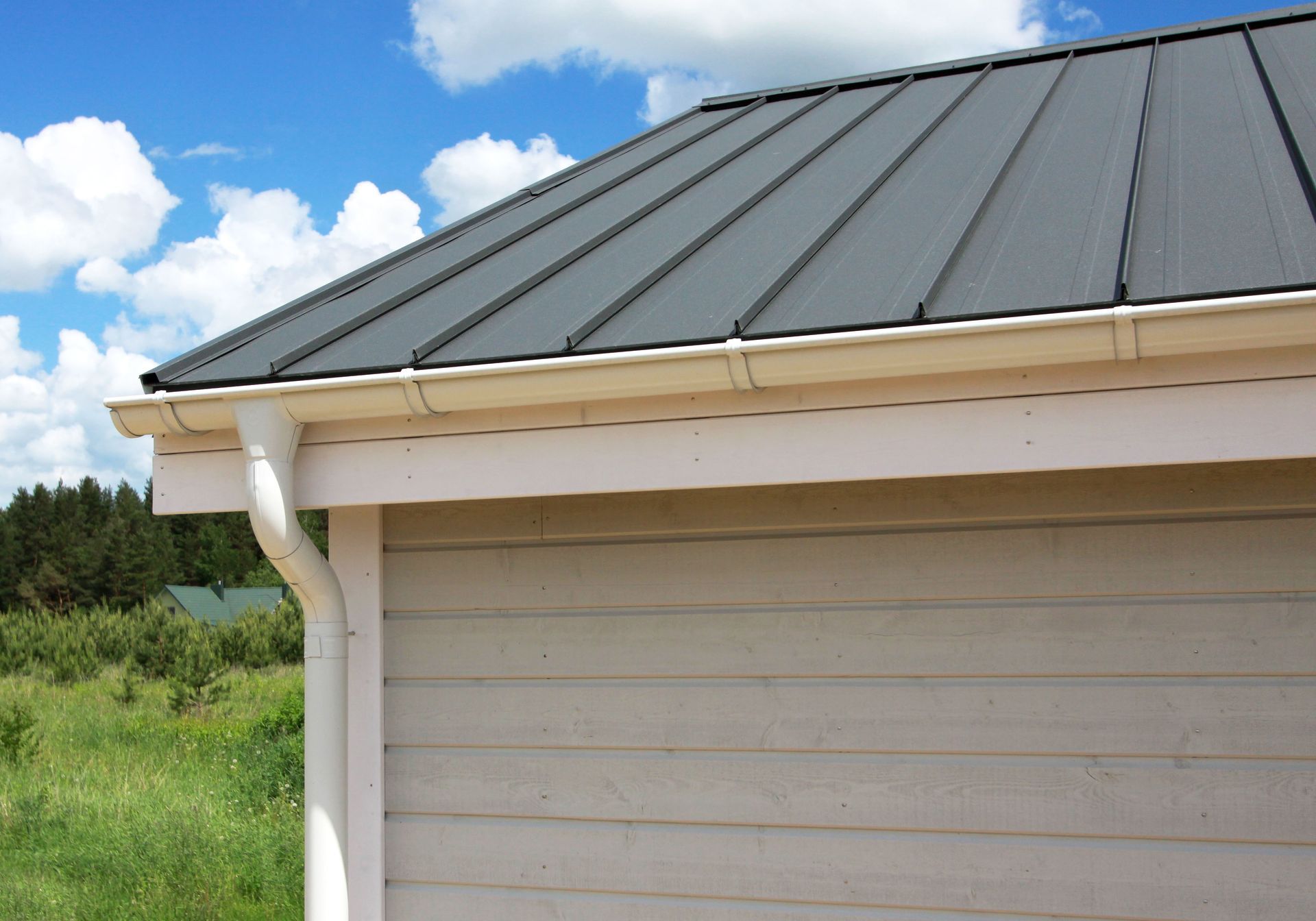
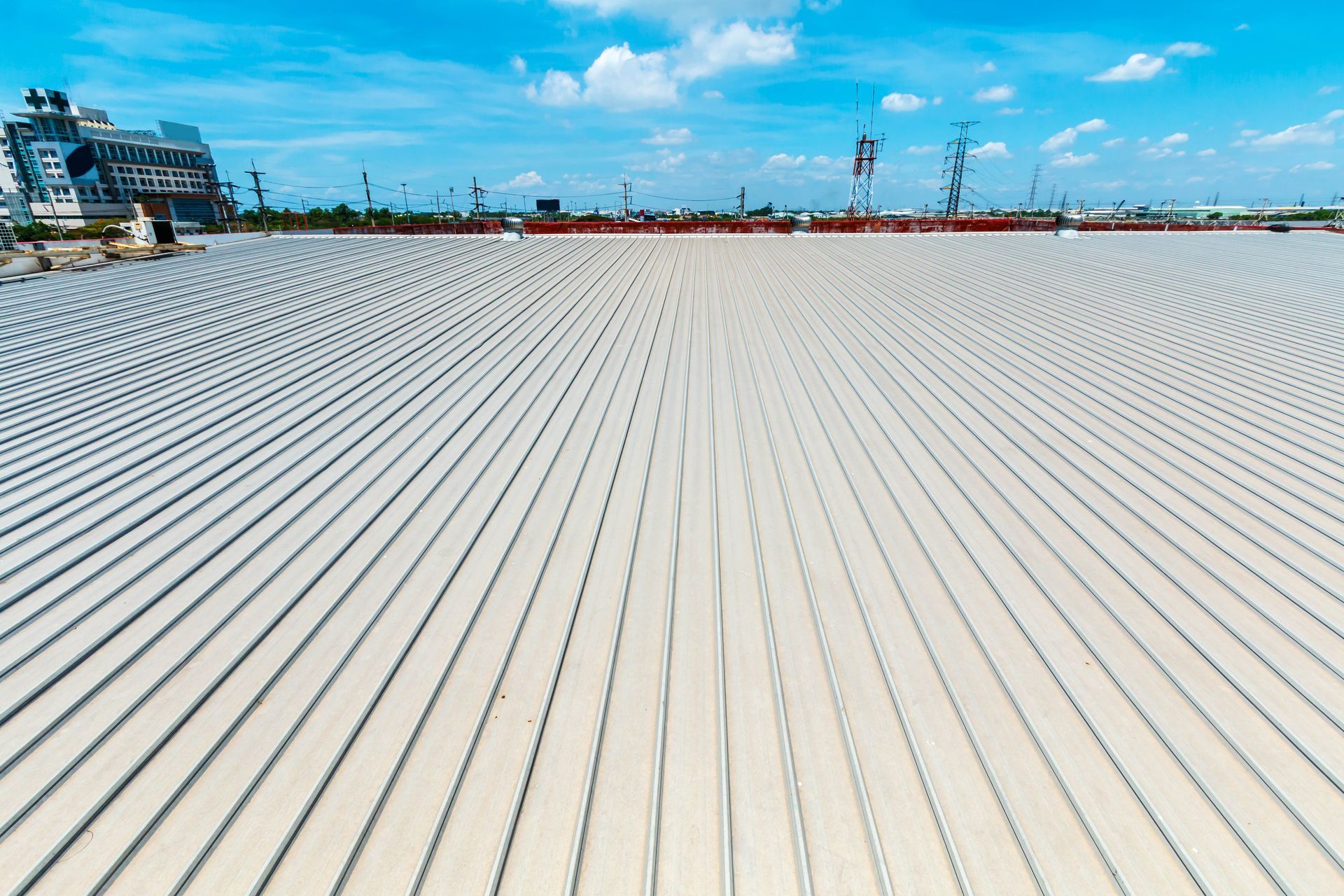
TPO membranes have become a popular choice for many commercial properties thanks to their reflective surface, which helps reduce cooling costs, along with strong seam integrity that resists tears and punctures over time. Metal roofing systems, including standing seam and corrugated options, offer another route for buildings that need exceptional wind resistance and corrosion protection, particularly in coastal or storm-prone regions. The right commercial roofers will walk property owners through these options, explaining the trade-offs of each material in terms of upfront cost, expected lifespan, and maintenance needs.
For multi-family properties, condominiums, and HOA-managed buildings, material selection becomes even more important because these projects often involve coordinating across multiple structures, budgets, and stakeholders. A well-planned replacement accounts for all of these variables from the outset, rather than treating each building or unit as an isolated decision.
Ensuring a Smooth Replacement Process From Start to Finish
A successful roof replacement depends on more than just the materials chosen — it depends on the process behind the installation. Before any work begins, a thorough evaluation of the existing roof and deck structure should take place to identify underlying issues that could affect the new system's performance. This step is often overlooked by property owners eager to move quickly, but skipping it can lead to complications that surface only after the new roof is installed.
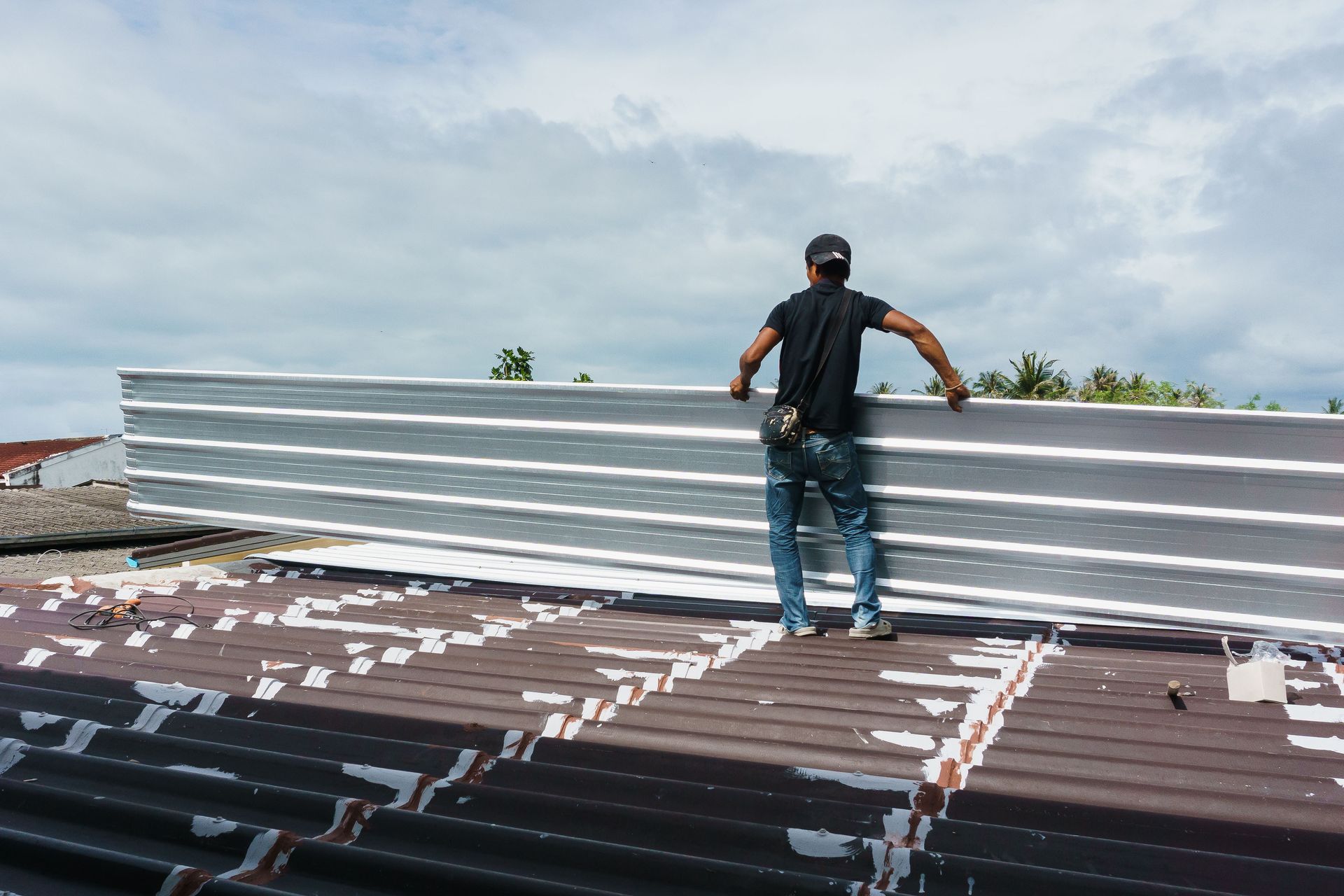
During the replacement itself, minimizing disruption to daily business operations is a top priority for most commercial property owners. Coordinated scheduling, clear communication about timelines, and efficient crew management all play a role in keeping a project on track without forcing a business to pause operations. This is especially critical for properties like hotels, retail centers, and multi-tenant buildings where downtime directly affects revenue.
Once installation is complete, proper documentation and warranty support matter just as much as the physical work. A well-documented replacement gives property owners a clear record of the materials used, the installation methods followed, and the warranty coverage in place, which becomes invaluable if any issues arise down the line. This is where working with established commercial roofers pays off, since their experience with large-scale, complex installations translates directly into fewer surprises during and after the project.
Choosing Professional Commercial Roofers for the Job
Given how much is riding on a roof replacement — structural integrity, business continuity, and long-term cost savings — the importance of working with qualified professionals cannot be overstated. Licensed, insured commercial roofers bring more than just labor to a project; they bring the technical knowledge needed to diagnose issues accurately, recommend appropriate materials, and execute installations that meet both manufacturer specifications and local building codes.
This becomes especially important in regions prone to hurricanes and severe storms, where roofing systems must be engineered to withstand extreme wind loads and heavy rainfall. Commercial roofers with direct experience in these conditions understand how to detail flashing, drainage, and attachment methods in ways that generic installation practices simply can't match. That expertise is often the difference between a roof that performs reliably for decades and one that fails prematurely under stress.
Property owners should also look for commercial roofers who offer transparent estimates, clear timelines, and strong warranty support, since these factors indicate a contractor who stands behind their work. A replacement is a significant investment, and partnering with a team that treats it that way — rather than as just another job — makes the entire process smoother and the results more dependable.
Roof replacement addresses root causes instead of surface symptoms, resets a roof's lifespan, and gives property owners the chance to select systems built for their specific needs and climate. The data backs this up, and so does the experience of countless property owners who've watched a series of repairs quietly cost more than a single, well-executed replacement ever would.
If your commercial roof is showing signs of wear, recurring leaks, or simply approaching the end of its expected lifespan, don't wait for a bigger problem to force the decision. We're Biscayne Roofing and Waterproofing Systems, and we've helped Florida property owners navigate exactly this kind of decision since 1965. Contact us today for a free, no-obligation estimate.